Author: David Zybin
Technical review: David Zybin, Laser Safety Officer and NYS DOL Class B Mobile Laser Operator
Last technically reviewed: August 25, 2026
Pre-weld and post-weld laser cleaning can remove selected oxides, scale, coatings, and surface contamination without introducing abrasive media. The correct process depends on the base metal, contaminant, weld procedure, required surface condition, and acceptance criteria.
Fabrication shops often use grinding, wire wheels, chemical cleaning, or abrasive blasting to prepare metal before welding and to clean accessible surface residue after welding. Laser cleaning adds another tool: a non-contact, media-free process that can be targeted to a joint area or adjacent surface.
Pre-Weld Cleaning: Remove What the Procedure Does Not Allow
Oil, paint, corrosion products, mill scale, and oxide can interfere with fit-up, welding, inspection, or downstream coating. The relevant requirement is the welding procedure and project specification, not a generic promise of “bare metal.” A laser process can be used to selectively remove compatible surface layers where access, media control, or preservation of geometry is important.
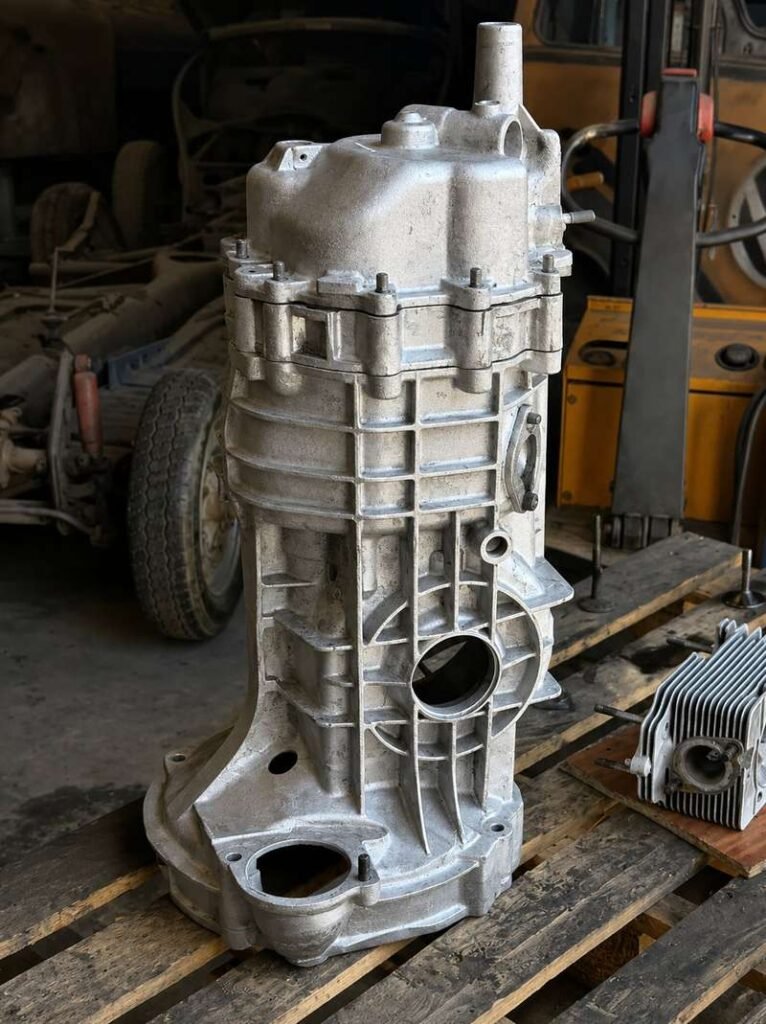
On aluminum and other oxide-forming metals, surface preparation deserves particular attention because the oxide layer and contamination behave differently from the base metal. The cleaning process should be qualified for the alloy, joint, and welding procedure rather than assumed from a demonstration on another material.
Post-Weld Cleaning: Define the Target
“Weld cleaning” can mean different things: removing accessible spatter, surface oxide or discoloration, coating overspray, soot, or contamination around the joint. It does not replace weld inspection, weld repair, slag removal requirements specific to a welding process, or acceptance criteria in the governing code or procedure.
Where laser cleaning is suitable, the benefit is controlled non-contact removal without a grinding wheel or added blast grit. Parameters still need to be matched to the material and target layer. Research on pulsed-laser cleaning demonstrates that cleaning effectiveness and substrate damage thresholds depend on wavelength, pulse duration, fluence, repetition, atmosphere, and material properties.
Where Fabrication Shops See the Most Value
- Targeted cleaning of a defined joint or heat-affected area without spreading abrasive media through the shop.
- Preparation of precision components where grinding contact is undesirable.
- Removal of selected coatings, oxides, or corrosion before welding, inspection, or coating.
- Recurring work where a documented process window can be repeated on similar parts.
- Mobile work on large assemblies that are difficult to move to a blast room.
What the Work Plan Still Needs
A Class 4 laser operation requires laser-safety controls, and the material being removed can create process emissions that need appropriate extraction and evaluation. Adjacent operations do not automatically remain open simply because no abrasive media is used. The controlled area, guarding, extraction, fire risk, nearby reflective surfaces, and facility procedures must be reviewed for the actual job.
A Better Specification Line
Specify the contaminant to remove, the substrate, the required visual or measured surface condition, the areas to protect, the downstream welding or coating requirement, and the verification method. Then allow a qualified laser process to demonstrate that it can meet the same acceptance criteria.
Surface Cleanliness and Verification
Where a steel-preparation standard is relevant, ISO 8501-1 provides visual rust and preparation grades and makes an important point: surfaces prepared by different methods do not necessarily produce comparable results. For welding, coating, or inspection work, the specification should define the outcome that matters rather than assuming one cleaning method creates an interchangeable surface.
Related Services and Applications
See our weld-ready surface preparation service, manufacturing applications, industrial equipment work, and project gallery. Procurement teams can also use How to Write a Surface-Prep RFP That Specifies Laser Cleaning.
Primary and Technical Sources
Author and Editorial Review
Written by David Zybin, author for Tri-State Laser Cleaning covering laser cleaning, surface preparation, rust and coating removal, and industrial maintenance.
Technical review: Tri-State Laser Cleaning, based on current service capabilities, test-patch methodology, project-specific OSHA-aware planning, and ANSI Z136.1-based laser safety practices.
Reviewed July 14, 2026.