Services / Industrial Baking Mold & Plate Laser Cleaning
Industrial Bakery Tooling
Industrial Baking Mold & Plate Laser Cleaning
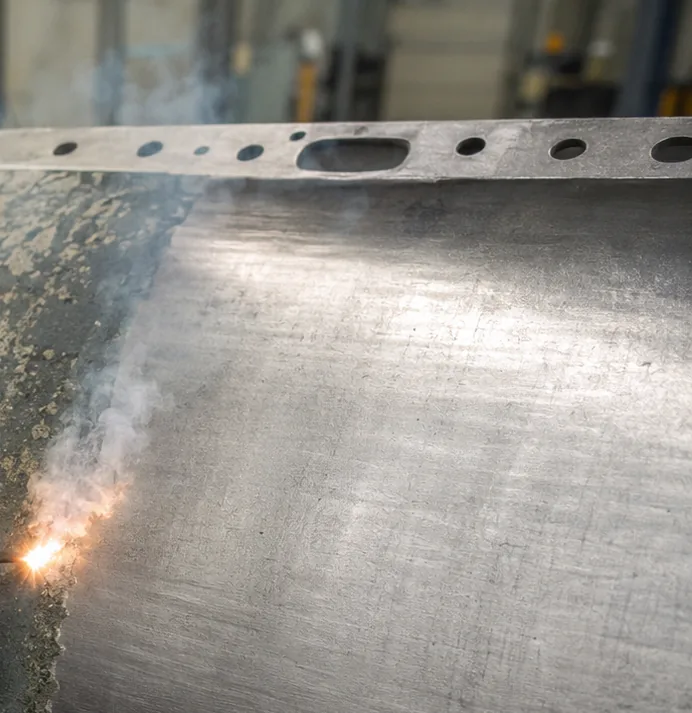
Laser cleaning for industrial metal baking molds, baking plates and selected bakery tooling with baked-on process residue. Tri-State Laser Cleaning reviews surface compatibility, access and maintenance windows across New Jersey, New York and Pennsylvania.
Industrial Baking Surfaces We Evaluate
Baked-on residue can accumulate on production plates and molds through repeated cycles. The cleaning objective should identify which deposits need removal and which metal finish, coating or release condition must remain.
- Accessible metal baking plates and mold faces.
- Selected forming tools and production inserts.
- Localized baked-on residue and carbonized deposits on suitable metal surfaces.
- Accessible conveyor or equipment surfaces requiring a separate compatibility review.
Nonstick coatings, polymer components, seals and delicate finishes are not assumed compatible. Provide the surface specification and coating history before planning a trial.
Tool Cleaning and Food-Safety Release Are Separate Steps
Laser residue removal is a maintenance cleaning process. It is not, by itself, a validated sanitation, sterilization or allergen-removal procedure. The facility defines the cleaning endpoint, inspection, any follow-on washing or sanitation and the approval needed before production.
Plan the work around product protection, extraction, residue collection and separation from food operations. A visually clean surface alone does not demonstrate that a food-contact or allergen-control requirement has been met.
Plan Access, Temperature and the Shutdown Window
Specialized industrial laser systems can be designed for particular baking-machine environments. That does not mean every mobile setup can clean inside a hot or operating oven. We must assess tool temperature, reach, optical access and equipment compatibility for the actual job.
- Review the equipment: identify plate or mold material, coating, residue and operating conditions.
- Test a representative area: check removal and the required surface condition.
- Prepare the work area: agree on isolation, cooling, access, extraction and product protection.
- Complete facility release: perform the specified inspection and any required sanitation before restart.
Compare Methods on the Required Surface Condition
Laser cleaning adds no abrasive blast media and can target selected areas. Manual cleaning, approved chemicals, dry ice or another process may suit a different residue, geometry or sanitation requirement.
Compare tool handling, cooling, cleaning, residue collection, final sanitation and release time. Coating preservation and the facility’s acceptance criteria should guide the choice. We do not assume a fixed production-speed or downtime reduction before a trial.
Build Cleaning Into Planned Maintenance
A Maintenance Contract for baking molds and plates can align residue removal with planned bakery shutdowns and tooling rotations. Define equipment IDs, accessible surfaces, coating limits and the facility’s final cleaning and release responsibilities.
Use actual deposit buildup, production schedules and inspection findings to review visit frequency. Product, recipe, release-agent or surface-coating changes should trigger reassessment. See our broader food and beverage maintenance applications for related equipment planning.
Review visit scheduling, contract pricing factors and visit records when defining recurring work.
Frequently Asked Questions
Is laser cleaning a food-grade sanitation process?
Not on its own. Laser cleaning can remove selected deposits from suitable surfaces, but the facility must specify and validate any food-contact, sanitation and allergen-control requirements and approve the equipment before restart.
Can you clean nonstick baking plates?
The coating requires a specific assessment. A process that removes baked-on residue may also alter a nonstick surface. Send the coating specification and manufacturer’s cleaning restrictions before a representative trial.
Can you clean an oven while it is hot or running?
That is not assumed for mobile service. Some applications need dedicated heat-resistant optics or engineered integration. We review temperature, isolation, access and equipment suitability to define a practical maintenance window.
What information is needed to quote bakery tooling?
Provide photographs, plate or mold quantity and dimensions, material and coating, residue type, access, temperature conditions, shutdown availability and the facility’s required inspection and sanitation steps.
Related Services and Applications
Technical References
These application references inform the scope review. The agreed trial and acceptance checks establish suitability for your tooling.
Request a Baking-Tooling Review
Send photographs, tooling details, residue information and your available maintenance window. Include any finish, inspection or facility release requirements so we can assess the scope.