Services / Laser Paint-Line Tooling Cleaning
Paint, Powder-Coat & E-Coat Lines
Laser Paint-Line Tooling Cleaning
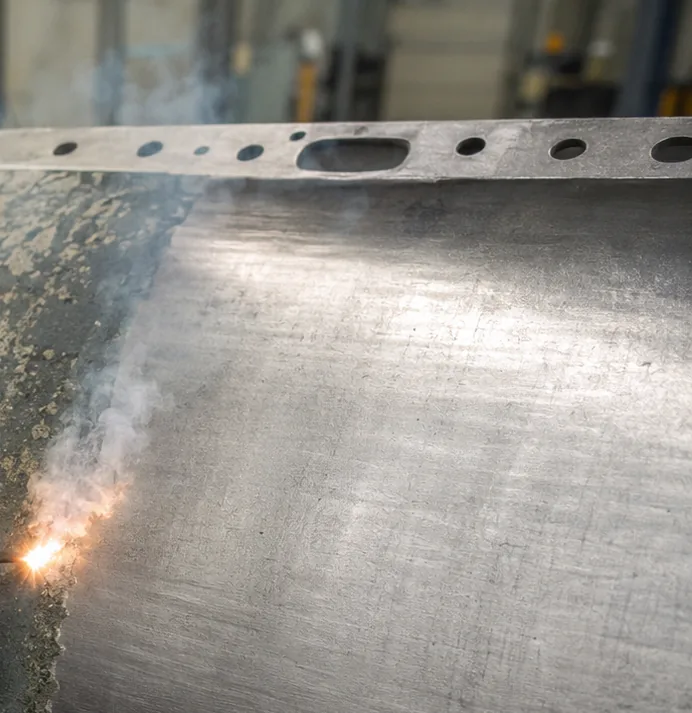
Laser cleaning for paint-line hooks, racks, hangers and fixtures with recurring coating buildup. Tri-State Laser Cleaning evaluates localized stripping and tooling maintenance for coating operations across New Jersey, New York and Pennsylvania.
Target Coating Buildup on Production Tooling
Repeated coating cycles can cover contact points, change fixture fit and make tooling harder to inspect. A cleaning scope can focus on functional areas or broader stripping where a trial shows the process is practical.
- Paint and powder-coat hooks, hangers and rack contact areas.
- E-coat rack tips, contact points and selected fixture surfaces.
- Masking fixtures and accessible tooling with removable coating buildup.
- Localized surfaces that need to be exposed before inspection or reuse.
The target is the required tooling condition. Cleaning alone does not certify electrical grounding, coating quality or compliance with a production-line specification.
Define the Contact and Fit Requirements
Send photographs of the complete fixture and close-ups of the areas that matter. Identify the base metal, protective coatings, paint chemistry, layer thickness and whether full stripping or only contact-point cleaning is required.
Approve a representative trial against the customer’s fit, finish and contact requirements. Where grounding or electrical continuity matters, the customer should perform the specified checks after cleaning and before returning the tooling to service.
Laser Stripping vs. Burn-Off, Chemicals and Blasting
Laser cleaning can be useful for localized coating removal, including selected e-coat applications. Thick multilayer powder coating and broad full-rack stripping can take longer; a trial is needed to judge throughput.
Burn-off, chemical stripping and abrasive blasting may be appropriate alternatives depending on the tooling and coating. Compare the full route: shipping or handling, exposure limits, possible surface changes, cleanup, rework and time until the fixture is usable again.
Coating information and safety data help plan extraction and residue handling. Removing a coating does not make its constituents harmless.
Plan a Tooling Rotation That Fits the Line
- Identify a batch: specify hook or rack types, quantities and cleaning areas.
- Approve the trial: confirm removal, fixture condition and required contact checks.
- Schedule access: set an off-line batch rotation or an approved shutdown window.
- Release the tooling: inspect and return accepted fixtures through the customer’s normal process.
We do not assume work can occur on an energized or moving paint line. Safe isolation, access and separation from adjacent production are part of planning.
Build Cleaning Into Planned Maintenance
A Maintenance Contract for paint-line tooling can schedule recurring batches of hooks, hangers and racks. Start with the fixtures where deposit buildup creates a documented maintenance need, then use coating cycles and condition checks to refine the interval.
Agree on batch quantity, target surfaces, coating limits, turnaround needs and the customer’s final checks. Changes in coating chemistry, film thickness or fixture design may require a new trial. For larger stripping work, see coating removal services.
Review visit scheduling, contract pricing factors and visit records when defining recurring work.
Frequently Asked Questions
Will cleaned hooks improve grounding?
Removing buildup from a contact area may help restore the intended contact condition. The result must be verified by the customer’s required continuity or resistance test; laser cleaning by itself does not certify grounding.
Can you strip an entire rack?
It depends on size, geometry, coating and layer thickness. Localized contact cleaning and full-rack stripping have different throughput requirements. A representative trial helps determine whether laser or another method is the practical choice.
Can you remove powder coating and e-coat?
Selected coatings are candidates, including e-coat and powder-coat buildup. Removal rate, substrate condition and extraction requirements vary by formulation and thickness, so the actual coating system needs review.
What determines recurring service cost?
Fixture quantity, surface area, number and thickness of layers, target cleanliness, safe access, handling and turnaround requirements affect the scope. A sample batch can establish a useful basis for planning recurring visits.
Related Services and Applications
Technical References
These application references inform the scope review. Suitability for your tooling is established through the agreed trial and acceptance checks.
Request a Paint-Line Tooling Review
Send photographs, tooling details, residue information and your available maintenance window. Include any finish, inspection or facility release requirements so we can assess the scope.