How Laser Cleaning Works from Review to Inspection
How Laser Cleaning Works
Laser cleaning uses short pulses of light to remove an unwanted surface layer. The coating or contaminant absorbs energy differently from the material beneath it. We match the settings to the surface and test the response before cleaning the agreed area.
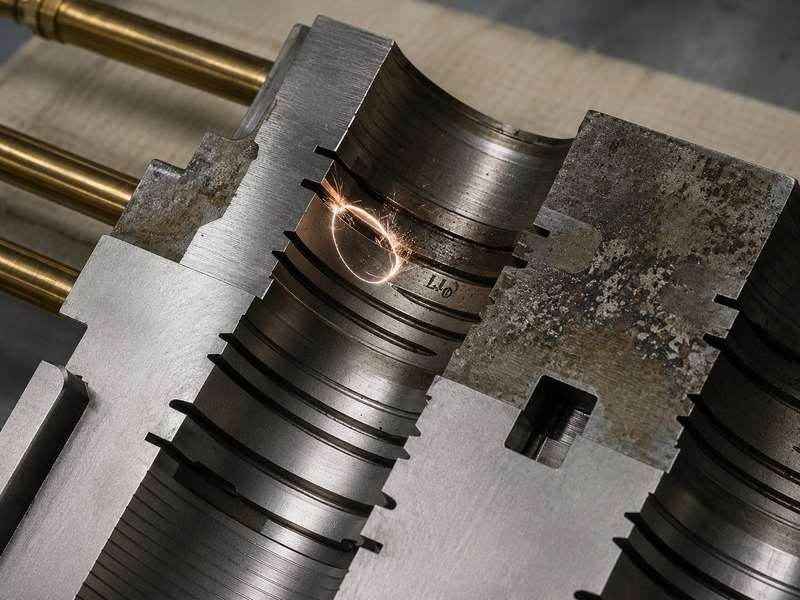
How the Laser Cleaning Process Works
Surface Review
First, we review the material, coating and desired finish. A test area helps us choose suitable settings.
Energy Absorption
Next, the coating or contaminant absorbs energy from the laser pulses.
Controlled Removal
We remove rust or paint in controlled passes. During cleaning, we monitor heat input and the surface response.
Final Inspection
Finally, we inspect the result against the agreed finish and any coating or welding requirements.
Precision Laser Cleaning and Laser Ablation
Laser ablation means removing material from a surface with laser energy. In a cleaning application, the target is an unwanted layer such as a compatible coating, oxide or deposit. Precision laser cleaning requires a defined removal area and an agreed limit on changes to the surface below.
Define the Cleaning Endpoint
Start with the substrate, layer thickness, finish and next operation. Use a representative trial to review the surface response, then agree on the cleaning endpoint and inspection method. Settings and pass count depend on the actual surface.
For a proposed weld-area trial, mark the preparation boundary, identify the coating and obtain the welding team’s surface requirements. Record the trial location and the agreed inspection result before extending the work.
See the Laserax explanation of industrial laser ablation. Explore our laser ablation and cleaning services or inspection and NDT preparation for project-specific planning.
Precision vs. Force
For method-selection factors, limitations, and total-project-cost considerations, see Why Laser Cleaning.
Factor
Laser
Sandblasting
Chemical
Substrate Damage
Test-area verification required
Surface wear or pitting risk
Potential etching
Waste Generated
No spent abrasive media; removed material still needs review
Spent media and removed material
Used stripper and removed material
Indoor Use
Requires laser safety controls and a plan for emissions
Full containment required
Ventilation required
Permitting Requirements
Depends on the site, material and work scope
Often required
Depends on chemicals and waste
Disposal Costs
Removed material, filters and captured particles
Depends on media, volume and contamination
Depends on chemical waste and volume
Exposure Controls
Assess the coating, surface and plume
Assess dust, media and contaminants
Chemical exposure PPE
How Laser Cleaning Changes the Work Scope
No Media
Laser cleaning adds no sand, glass beads or other blast media. As a result, there is no spent abrasive to collect. Removed coatings, captured particles and filters still need a waste-handling plan.
No Chemical Stripper Introduced
The process introduces no acid or solvent stripper. However, existing coatings and contaminants can still produce hazardous emissions or residue. We scope ventilation, capture and work-area controls to the material and site.
Less Permit Complexity
The laser process does not add blast media, rinse water, or chemical stripper. Air, noise, environmental, containment, and waste-documentation requirements depend on the material removed, site, and jurisdiction. Review the Compliance Center during project planning.
How Laser Cleaning Works on Different Surfaces
Different materials respond differently to laser energy. Rust, paint, grease and carbon deposits may require different settings. The underlying surface also affects the result, so a single setting does not suit every project.
We use a test area to review removal quality and surface condition. Then we adjust the process to the agreed finish. This helps manage heat input and the risk of surface changes.
Laser cleaning still requires active control. Operators monitor the surface during each pass and inspect the result. For sensitive parts, the work scope should define the checks needed before coating, welding or return to service.
What Laser Cleaning Removes
Rust and Oxides
- Rust
- Mill scale
- Weld discoloration
- Heat-affected zone oxides
- Flash rust
- Surface oxides
Paint and Coatings
- Paint layers
- Powder coating
- Epoxy coating
- E-coat
- Selected protective coatings
- Coating preparation areas
Residue and Buildup
- Grease deposits
- Carbon deposits
- Process residue
- Mold buildup
- Tooling residue
- Surface contamination
Restoration Deposits
- Soot deposits
- Smoke residue
- Graffiti paint
- Surface staining
- Weathering deposits
- Selected restoration layers
Which Surfaces May Be Suitable?
Common project surfaces include steel, stainless steel, aluminum, cast iron, copper, brass and bronze. Suitability depends on the metal, its finish, the coating and the desired result. We review these details before quoting the work.
Stone, brick, concrete and some wood surfaces may also be candidates. However, sensitive finishes need careful review and testing. We select settings for the specific surface and the layer to remove.
Some plastics, rubber and composites may be unsuitable. Share the material and finish details during scoping so we can review compatibility before work begins.
Laser Cleaning Equipment and Safety Controls
Our Class 4 laser work requires trained personnel and a site-specific safety plan. Controls include suitable barriers, controlled access, warning signs and wavelength-specific eyewear. We also review the plume and plan extraction for the material we will remove.
The work area determines the safety-zone layout. Before setup, we review reflections, nearby people, adjacent trades and building use. Access and other work must follow the agreed safety plan.
We review project requirements before work begins, including location-specific requirements in New York. For planning information, visit our Compliance Center.
Our mobile unit carries the laser system, generator, extraction unit and safety equipment. During planning, we confirm access, setup space and the controls needed for the job.
Questions About How Laser Cleaning Works
How powerful is the laser? Is it dangerous?
Class 4 laser work requires trained people and a documented safety plan. The plan covers access, barriers, suitable eyewear, reflections and emissions. We select controls for the task and site. For more detail, see OSHA laser-hazard guidance.
What happens to the material that is removed?
Cleaning produces a plume, fine particles and removed residue. We plan extraction and collection for the material involved. Captured material and used filters still need suitable handling, even though the process adds no blast media.
How long does the laser source last?
Service life depends on the laser source, operating conditions and maintenance. Manufacturer specifications guide the service plan. Optics and extraction filters also require checks and replacement as needed.
Does laser cleaning work outdoors? In rain?
We plan outdoor laser cleaning for suitable dry conditions. Rain, standing water or changing site conditions can affect the work. Indoor projects still require a review of access, ventilation and nearby activities.
Is there a minimum or maximum job size?
Job size and access affect mobilization, setup and cleaning time. Send photos, dimensions, location and the desired finish so we can review the scope. The written proposal sets out the price and schedule assumptions.
What does a typical job setup look like?
First, we position the mobile equipment and confirm access. Next, we set up extraction, barriers and the controlled work area. After checking the setup and test area, we begin cleaning. We allow for inspection, cleanup and removal of equipment in the work plan.